

Wound and Burn Treatments
Wound and burn treatments refer to a comprehensive medical and surgical approach aimed at healing tissue integrity losses that occur in the skin and subcutaneous tissues. Such injuries are not merely superficial problems; they are complex processes that directly affect the body’s mechanisms for protection, repair, and renewal.
The skin is the body’s first point of contact with the outside world. Disruption of this barrier can lead to a wide range of consequences, from infection risk to loss of function. The primary goal of wound and burn treatment is to ensure healthy tissue healing, minimize scarring, and preserve functional continuity.
Types and characteristics of wounds
Wounds are classified into different groups based on their formation and healing potential.
Acute wounds
These are wounds that occur suddenly as a result of trauma, surgical incisions, or accidents. They usually heal quickly with proper care and treatment.
Chronic wounds
These are wounds that do not heal for a long time, often developing due to an underlying systemic cause. Diabetic foot wounds, pressure wounds (decubitus ulcers), and wounds associated with circulatory disorders fall into this group. Each type of wound requires a specific assessment and treatment approach.
Burns and Burn Grades
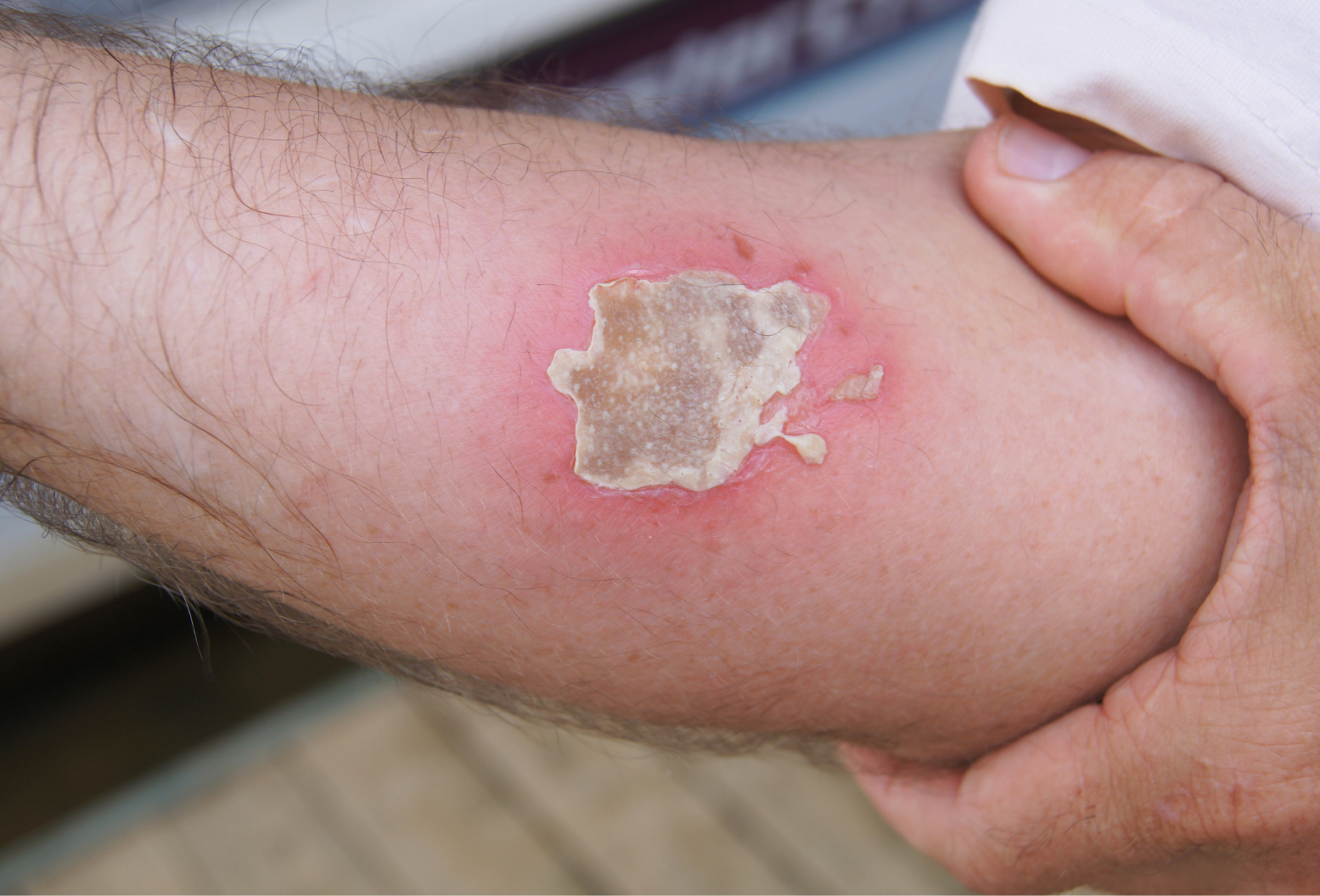
Burns can be caused by heat, electricity, chemicals, or radiation. The depth and extent of the damage are the key determinants of the treatment process.
- First-degree burns: Limited to superficial skin damage.
- Second-degree burns: May extend to subcutaneous tissues, accompanied by blisters and pain.
- Third-degree burns: Deep damage affecting all skin layers, which may require surgical treatment.
The goal of burn treatment is not only to close the wound but also to preserve tissue viability and achieve long-term functional and aesthetic outcomes.
Basic approaches to wound and burn treatment
Wound and burn treatment requires a multi-stage, individualized plan. The basic steps of treatment include:
- Cleaning the wound and controlling infection
- Removal of dead tissue (debridement)
- Maintaining a moist and appropriate wound environment
- Surgical repair when necessary
These steps support the tissue’s own healing capacity, enabling a healthy closure process.
Surgical wound and burn treatments
Some wounds and burns cannot heal without surgical intervention. Surgical treatment may become unavoidable in cases of deep burns, extensive tissue loss, and chronic wounds.
In these situations:
- Skin grafts,
- Local or regional flaps,
- Microsurgical free flaps
are used to restore tissue integrity. The surgical approach is tailored to the location and depth of the wound and the patient’s general condition.
The role of reconstructive surgery
Reconstructive surgery provides not only closure but also functional and aesthetic restoration in wound and burn treatments. Repairs performed in areas such as the joint area, face, hands, and neck are particularly important in terms of mobility and daily living functions.
Proper reconstruction can reduce contractures, functional losses, and visible scars that may occur after wound healing. This approach ensures that healing is not only a biological process but also one that improves quality of life.
Burn scars and sequelae
Scar formation after burn healing may be inevitable. However, with appropriate treatment and follow-up, the appearance and effects of these scars can be reduced.
In burn sequelae:
- Scar revisions
- Contracture-releasing surgeries
- Tissue expanders
- Flap and graft applications
can be used to achieve functional and aesthetic improvement.
The healing process and long-term care
The healing process in wound and burn treatments requires patience and regular follow-up. Tissues mature over time, and color and texture matching improve. Physical therapy and rehabilitation play an important role, especially in preventing movement restrictions after burns.
Long-term care aims not only to close the wound but also to enable the person to return to their daily life with confidence and comfort.
The importance of a multidisciplinary approach
Wound and burn treatments often require collaboration between multiple specialties. Teams from plastic surgery, dermatology, infectious diseases, physical therapy, and rehabilitation work together with a shared plan to achieve the best possible outcome. This teamwork directly impacts the success of the treatment and the patient’s quality of life.