

What are Skin and Soft Tissue Cancers ?
Skin and soft tissue cancers encompass a broad group of tumors that can affect the subcutaneous fat tissue, muscles, connective tissue, blood vessels, and nerve structures, starting from the skin surface. These cancers are complex diseases that often progress slowly but can spread to surrounding tissues if left untreated. The skin, being the body’s largest organ, is exposed to both environmental factors and cellular changes.
Soft tissue is a vital infrastructure that gives the body its shape and provides movement and protection. Cancers developing in these tissues are not merely local diseases; they present multifaceted clinical pictures that can have profound effects on function, aesthetics, and quality of life. Therefore, early diagnosis, proper surgical planning, and reconstruction when necessary form the cornerstones of treatment.
Skin Cancers
Skin cancers are divided into various subtypes originating from different cells of the skin.
The most common skin cancers are:
Basal Cell Carcinoma (BCC)
This is the most common type of skin cancer. It usually grows slowly and rarely metastasizes; however, it can invade surrounding tissues, leading to significant tissue loss. It is particularly common in aesthetically critical areas such as the face, nose, around the eyes, and ears.
Squamous Cell Carcinoma (SCC)
It originates from the upper layer of the skin and can be more aggressive than basal cell carcinoma. In advanced cases, there is a risk of spreading to the lymph nodes.
Malignant Melanoma
It is the most aggressive type of skin cancer originating from pigment-producing cells. Treatment success is high when diagnosed at an early stage; however, it has the potential to spread rapidly when diagnosed late. Each of these tumors requires different strategies in terms of both surgical approach and follow-up.
Soft tissue cancers (sarcomas)
Soft tissue cancers are generally classified under the heading of sarcomas and are less common. They can originate from muscle, fat, connective tissue, blood vessels, or nerves. The most common soft tissue sarcomas include:
- Liposarcoma
- Leiomyosarcoma
- Fibrosarcoma
- Angiosarcoma
These tumors are usually detected as painless masses and, as they grow, can cause functional problems by putting pressure on surrounding tissues. Early diagnosis and removal with wide surgical margins form the basis of treatment.
Causes of skin and soft tissue cancers
Many factors can play a role in the development of these cancers:
- Prolonged and unprotected exposure to the sun (UV)
- Fair skin
- Advanced age
- Genetic predisposition
- Chronic wounds and burn scars
- Immunosuppression
- History of radiation exposure
These factors can cause cellular damage over time, paving the way for cancer development.
Symptoms and the importance of early diagnosis
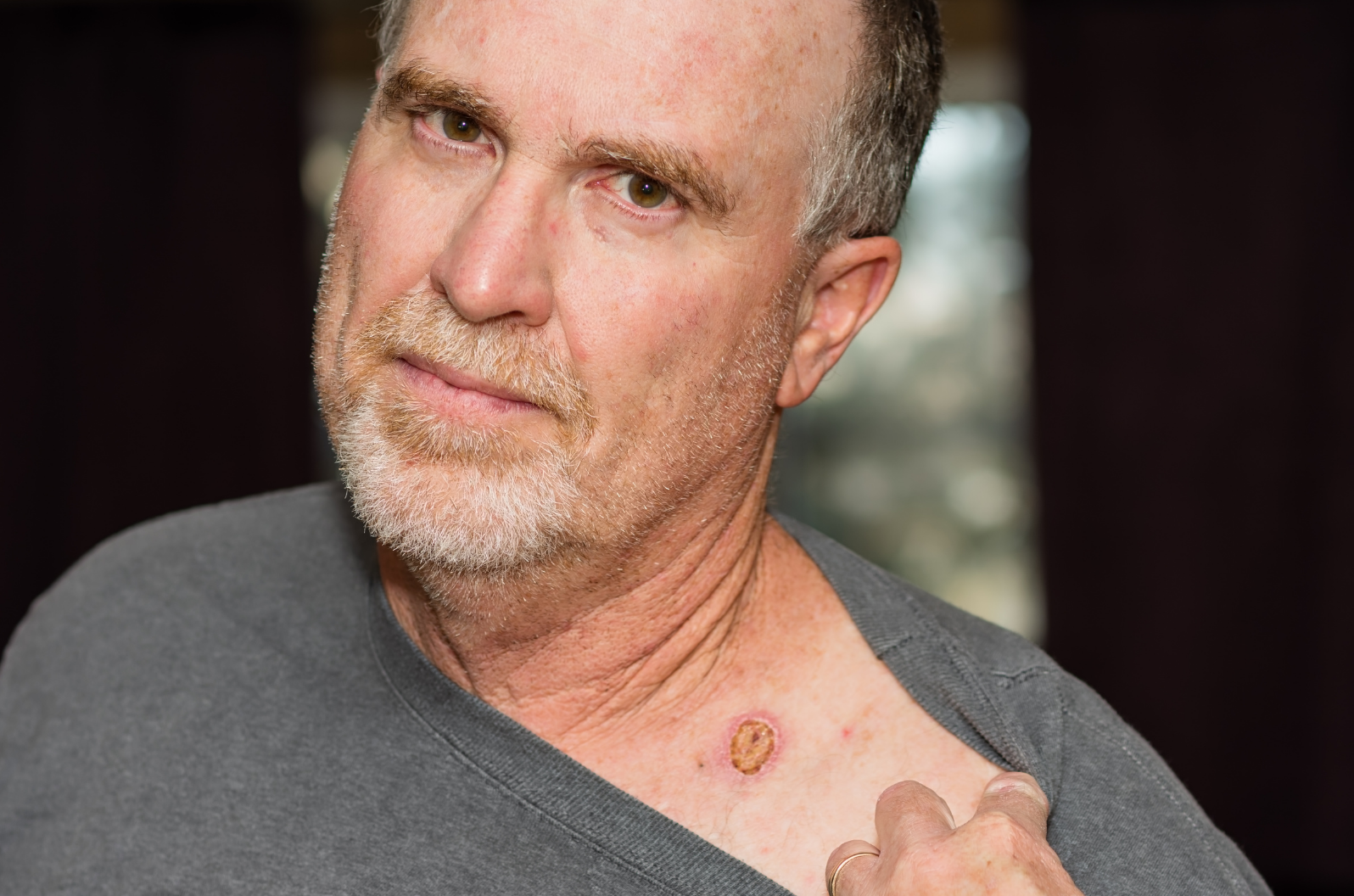
Skin and soft tissue cancers can often present symptoms in the early stages. Signs to look out for include:
- Non-healing wounds
- Moles that change color, shape, or size
- Rapidly growing or hardening lumps
- Bleeding, crusting, or ulceration
- Pain or tenderness
Early diagnosis allows for the preservation of surgical margins and minimizes the need for reconstruction. Therefore, it is crucial to evaluate suspicious lesions without delay.
Surgical treatment approach
Surgery is often the first and most important step in the treatment of skin and soft tissue cancers. The goal is complete removal of the tumor with clear surgical margins. Especially in surgeries performed on the face, hands, and functional areas, the following are prioritized:
- Aesthetic integrity,
- Functional preservation,
- Minimization of tissue loss.
When necessary, defects resulting from excision are repaired with flap surgery or tissue grafts.
The role of reconstruction in treatment
Tissue loss following oncological surgery can directly affect the patient’s quality of life.
Reconstructive surgery aims to repair this loss in the most functionally and aesthetically appropriate manner. Using local flaps, regional flaps, or microsurgical free flaps:
- Facial expression is preserved,
- Mobility is supported,
- Natural tissue compatibility is ensured.
Reconstruction is not a complementary part of treatment; it is an integral component of the oncological process.
Multidisciplinary treatment approach
The treatment of skin and soft tissue cancers often requires a multidisciplinary approach.
Teams of plastic and reconstructive surgeons, dermatologists, medical oncologists, radiation oncologists, and pathologists work together to create personalized treatment plans. This teamwork improves both oncological safety and aesthetic and functional outcomes.
Follow-up and long-term monitoring
Regular follow-up after surgical treatment is crucial. Detecting possible recurrences early on and conducting functional-aesthetic evaluations later on increases the success of the treatment. Long-term monitoring allows for maintaining the patient’s quality of life and managing potential risks early on.