


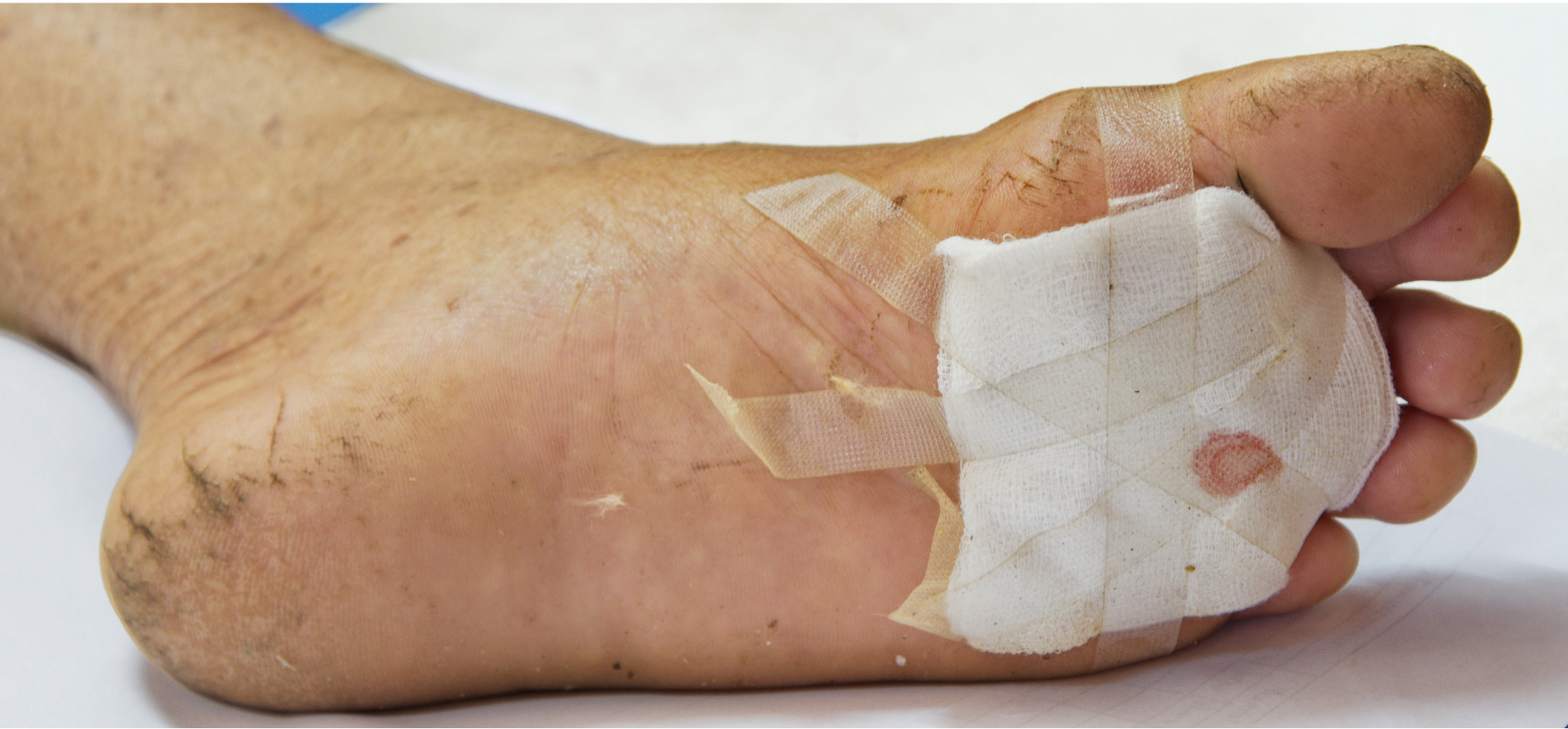
Tissue Transfers – Flap Surgeries
Tissue transfers and flap surgery are advanced surgical techniques that involve transferring living, blood-supplying tissue from one area of the body to another to repair tissue loss in any region. The goal of this approach is not only to cover the missing tissue but also to ensure functional continuity, restore aesthetic integrity, and preserve the long-term viability of the tissue.
Flap surgery allows the transfer of skin, fat, muscle, bone, and connective tissues along with their own vascular structures. This enables reliable and permanent repairs, especially in large, complex, or poorly perfused areas. Tissue transfers are considered one of the cornerstones of modern reconstructive surgery.
The primary goal of flap surgery
The primary goal of flap surgery is to provide a living, well-perfused, and functional structure to the area of tissue loss. In defects resulting from burns, trauma, tumor resections, congenital anomalies, and infections, the area often cannot heal on its own.
At this point, flap surgery offers not only a closure method but also a holistic repair approach that restores the tissue’s nutrition, durability, and mobility.
A successful flap application ensures both the preservation of function and the restoration of harmony with the person’s bodily integrity.
What are the types of flaps?
Flap surgery is classified under different headings based on the type of tissue used and the method of transfer.
1. Local Flaps
Created by rotating or sliding adjacent tissues to the defect. Preferred for small to medium tissue losses and provides results compatible with surrounding tissue.
2. Regional Flaps
Wider tissue transfers supplied by a specific vascular pedicle. Frequently used in extremity and trunk repairs.
3. Free (Microsurgical) Flaps
The tissue is completely detached from a distant part of the body and transported to the defect site using microsurgical techniques. The vessels are reconnected with millimeter precision. This method is considered the gold standard for repairing large and complex defects.
The role of microsurgery in flap surgery
Microsurgery is one of the most important developments that has expanded the limits of flap surgery. The ability to repair vessels and nerves smaller than a few millimeters in diameter has enabled reconstructions that were previously impossible.
Free flaps applied with microsurgery allow living tissue to be safely transported over long distances. Thanks to this approach, extremely successful and permanent repairs can be performed in the head and neck region, breast, extremities, and craniofacial areas.
When are tissue transfers used?
Tissue transfers and flap surgery offer an effective solution in many different clinical situations:
- Tissue loss following oncological surgery
- Open wounds due to trauma and accidents
- Defects following burns
- Tissue loss due to infections
- Congenital anomalies
- Pressure sores (decubitus ulcers)
Each of these conditions requires specially planned flap techniques tailored to the needs of the area.
The planning process in flap surgery
Detailed planning is fundamental to successful flap surgery. The size and depth of the defect, the condition of the surrounding tissues, and the patient’s overall health are evaluated.
Where necessary, advanced imaging methods and vascular mapping techniques are used to select the most appropriate flap. This meticulous planning directly affects both the viability of the flap and long-term functional success.
The healing process and long-term outcomes
The recovery process after flap surgery may vary depending on the type of flap used and the area repaired. The blood supply to the flap is closely monitored in the first few days; over time, the tissue adapts to its new anatomical environment.
The long-term goal is for the flap to integrate with the surrounding tissues, increase its durability, and achieve a natural appearance. Functional gains are supported by rehabilitation and regular check-ups.
Multidisciplinary approach in flap surgery
Flap surgery is often not limited to a single surgical discipline. Collaboration between plastic surgery, orthopedics, general surgery, ENT, and oncology teams is a key factor in increasing the success of reconstruction. This team approach aims to provide the patient with the most balanced outcome in terms of both function and aesthetics.