


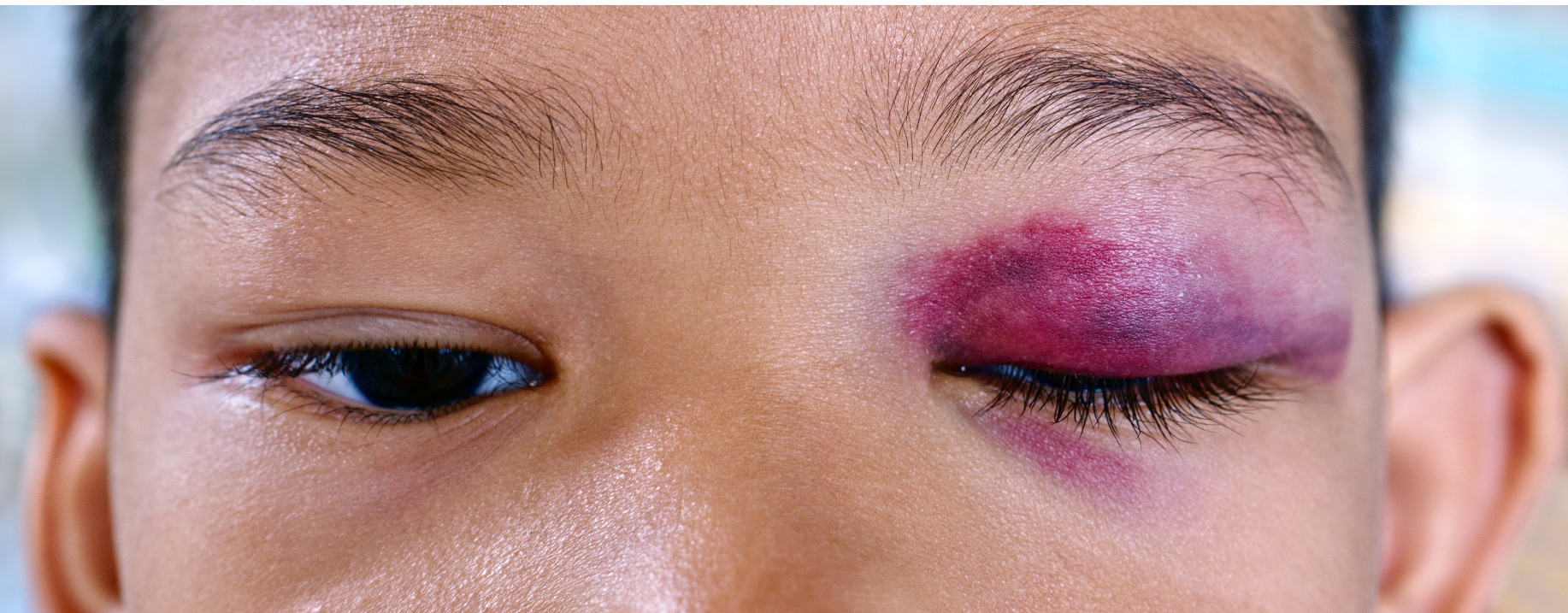
Maxillofacial Trauma
Maxillofacial trauma refers to situations where the bones forming the facial skeleton and surrounding tissues are damaged by a sudden external impact. Since the face is central to vital functions such as vision, breathing, chewing, and speaking, any trauma in this region is not only a physical injury but also a significant condition that affects the individual’s communication with the world.
This complex structure, which includes the maxilla, mandible, zygoma, nasal bones, orbit, and teeth, may experience changes in shape, loss of function, and aesthetic abnormalities after trauma. Therefore, maxillofacial trauma surgery is a multi-layered treatment process that aims to rebuild both the structural integrity and functional harmony of the face.
Common causes of maxillofacial trauma
Trauma to this area usually results from various high-energy or sudden impacts:
- Traffic accidents
- Falls
- Sports injuries
- Physical assault and violence
- Workplace accidents
Since the face is an area exposed to external influences, bone fractures, soft tissue injuries, tooth loss, and functional impairments are common problems. Therefore, the source of the trauma, as well as its severity and the accurate analysis of the affected anatomical region, form the basis of treatment.
The anatomical importance of the maxillofacial region
The facial skeleton is a unique structure both aesthetically and functionally. The masticatory muscles, nerves, vascular structures, intraocular and periorbital areas, nasal complex, and oral cavity work together in a tightly integrated anatomical framework.
After trauma some vital functions such as:
- Vision,
- Breathing,
- Speech,
- Chewing and biting,
- Movement of mimic muscles
may be affected.
Therefore, the goal of maxillofacial surgery is not only to repair the fracture but also to restore all functional mechanisms and natural aesthetic integrity of the face.
Types of maxillofacial trauma
Maxillofacial injuries are evaluated across a very broad spectrum. The most common types of trauma are:
1. Nasal fractures
The nose, the most prominent part of the face, is the bone structure most susceptible to trauma. Deformity, bleeding, and difficulty breathing may occur.
2. Zygomatic and complex fractures
These fractures, affecting the cheekbone and surrounding area, can cause facial collapse, asymmetry, and chewing problems.
3. Orbital fractures
Fractures around the eye can cause double vision, restricted eye movement, and aesthetic deformities.
4. Maxillary fractures
Upper jaw fractures affect the upper teeth and the integrity of the midface.
5. Mandible (lower jaw) fractures
These can impair chewing function; pain in lower jaw movements and closure disorders may be observed.
6. Soft tissue injuries
Injuries to the skin, muscles, blood vessels, and nerves require meticulous repair as they can lead to long-term functional loss. Each type of trauma requires its own anatomy, planning, and repair strategy.
Diagnostic process in maxillofacial trauma
Diagnosis is made through careful physical examination and comprehensive imaging methods.
- 3D computed tomography shows the direction and spread of fractures.
- MRI imaging is effective in assessing soft tissue damage.
- Panoramic X-rays are frequently used in the analysis of jaw fractures.
These imaging methods allow the surgeon to plan the three-dimensional anatomy of the face in detail. Since each patient’s trauma pattern is unique, treatment is also shaped according to a personalized map.
How is maxillofacial trauma surgery performed?
The treatment plan varies depending on the type of trauma and the structures affected. Surgery generally involves the following steps:
- Anatomical reduction of fractures
- Stabilization with microplates and screws
- Soft tissue repair
- Rehabilitation of functional losses
- Correction of asymmetry or aesthetic defects
The goal is to restore the bone structure as close to its original state as possible and to regain function without loss. Postoperative follow-up plays a critical role in restoring the natural expression and movement integrity of the face, as does surgical planning.
Recovery process and expected results
Recovery may vary depending on the severity of the trauma and the surgical procedure performed. The reduction in swelling and bruising usually becomes noticeable within the first few weeks. Complete healing of bone tissue, however, may take several months.
During this process, the natural symmetry of the face returns over time, the function of the facial muscles improves, and the tissues adapt to the new structure. Regular follow-up ensures that both function and aesthetic integrity are preserved in the best possible way.
Multidisciplinary approach in maxillofacial trauma
Facial trauma often affects more than one organ system; therefore, a multidisciplinary team approach is crucial. Plastic surgeons, ENT specialists, ophthalmologists, maxillofacial surgeons, neurosurgeons, and rehabilitation teams work together to create a comprehensive treatment process. The contribution of each specialty plays a critical role in reconstructing the complex anatomical structure of the face.