


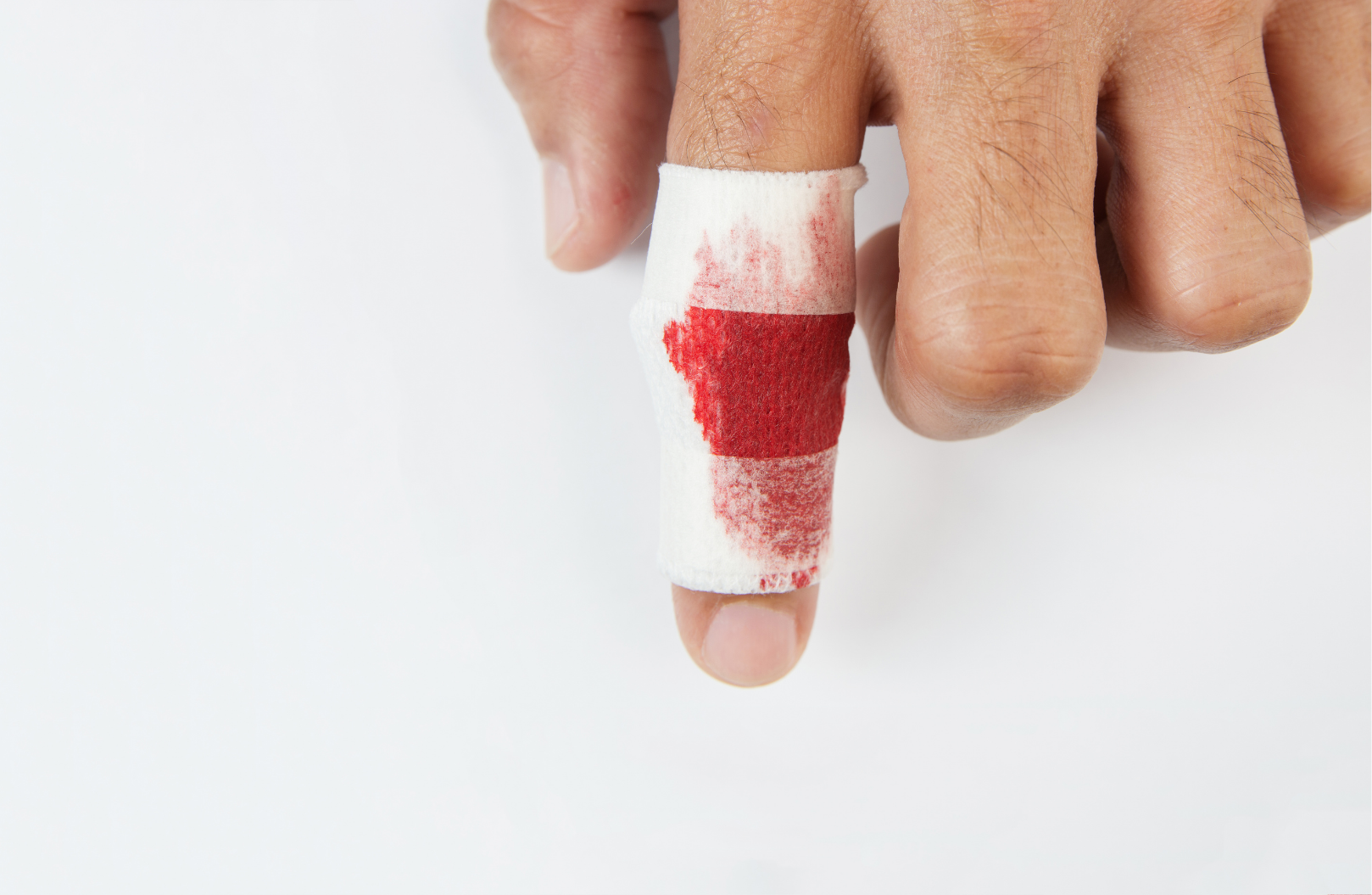
Hand Surgery – Microsurgery
Hand surgery and microsurgery are advanced surgical fields aimed at preserving and restoring the functions of the hand, one of the most complex structures that humans use most frequently in their daily lives. The hand is central to vital functions such as touching, grasping, feeling, and expressing oneself. Therefore, any damage to the hand is not only a physical loss but also a significant condition that directly affects the person’s quality of life and independence.
Microsurgery encompasses advanced techniques that enable the repair of blood vessels, nerves, and tendons that are too small to be seen with the naked eye under special magnification systems. When combined with hand surgery, it allows for the revitalization of tissues in complex injuries such as rupture, crushing, cutting, or loss of circulation. In this respect, hand surgery-microsurgery is a special surgical discipline where precision and patience meet science.
The anatomical and functional importance of the hand
The hand is a unique structure in which bones, tendons, muscles, nerves, and blood vessels work in perfect harmony. Even the smallest nerve damage can cause loss of sensation, while a tendon injury can lead to limited movement. This complex anatomy is one of the fundamental characteristics that distinguishes hand surgery from other surgical fields.
The functions of the hand are not limited to mechanical movements; fine motor skills, the sense of touch, and interaction with the environment are also integral parts of this structure. Hand surgery and microsurgery offer a comprehensive approach aimed at preserving these multi-layered functions and reconstructing them when necessary.
Areas of application for hand surgery and microsurgery
Hand surgery–microsurgery covers a very broad group of patients.
The main areas of application are as follows:
- Finger and hand amputations
- Tendon cuts and tears
- Nerve compression and injuries
- Vascular injuries and circulatory disorders
- Finger bone fractures
- Crush injuries and severe soft tissue loss
- Congenital hand anomalies
- Post-tumor tissue repair
Each of these injuries requires specific surgical planning to restore the functional integrity of the hand.
The role of microsurgery in hand surgery
Microsurgery is one of the most critical components of hand surgery. Repairing vessels and nerves with millimeter-sized diameters plays a decisive role in restoring the hand’s function and sensation.
Especially in cases of finger amputation or injuries involving severe loss of circulation, microsurgical techniques enable the re-establishment of blood flow to the tissues. This allows an amputated finger or hand segment to be reattached and regain function. Microsurgery is not merely a technique here; it is the reconnection of life with tissue.
Post-traumatic hand reconstruction
Trauma-related hand injuries are often complex conditions affecting bones, tendons, nerves, and vessels simultaneously. In such cases, the surgical approach is not limited to repairing the damaged structure; it is planned considering the entire functional chain of the hand.
Bone stabilization, tendon repair, and nerve and vessel reconstruction can be performed in the same session or in stages. The goal is to restore both the strength and sensitivity of the hand, ensuring the best possible return to daily life activities.
Microsurgical approaches in congenital hand anomalies
In some individuals, hand and finger development may vary congenitally. Conditions such as syndactyly (webbed fingers), polydactyly (extra fingers), and hypoplasia can affect hand function and aesthetics.
Hand surgery and microsurgery offer balanced solutions for correcting these anomalies, both functionally and aesthetically. Surgery performed early on facilitates results that are compatible with the natural development of the hand.
Surgical treatment of nerve entrapments
Nerve compression is a significant functional problem that manifests itself with complaints such as pain, numbness, tingling, and progressive weakness in the hand and upper extremities. Conditions such as carpal tunnel syndrome, cubital tunnel syndrome, and Guyon canal syndrome arise as a result of prolonged pressure on the nerve in the narrow anatomical areas through which it passes. Surgical treatment aims to eliminate this pressure and restore the nerve to its natural anatomical environment, playing a critical role in preventing progressive nerve damage.
During surgical intervention, the tight connective tissues surrounding the nerve are carefully released; the nerve’s circulation and conduction capacity are restored. The use of microsurgical techniques allows for the preservation of the delicate structures surrounding the nerve and enables a healthier progression of the healing process. Following timely surgery, significant relief from pain and numbness complaints can be observed, along with gradual improvement in hand strength and fine motor skills. This approach is an effective solution that aims to prevent permanent functional loss in the treatment of nerve entrapments.
Toe-to-finger transfer
Toe-to-finger transplantation is an advanced microsurgical procedure aimed at restoring hand function in patients with congenital finger deficiency or those who have experienced finger loss due to trauma. In this method, a toe taken from the foot is transferred to the hand with the preservation of bone, tendon, nerve, and vascular structures. The goal is primarily to restore grasping, holding, and fine motor skills rather than aesthetics, as even a single finger can significantly increase the functional capacity of the hand.
In this transplant procedure, performed using microsurgical techniques, the blood vessels and nerves of the toe are connected with millimeter precision to the appropriate structures in the hand. Over time, the transplanted toe gains circulation and sensation, becoming a natural part of the hand. The rehabilitation process is an indispensable part of functional success; mobility, strength, and coordination are gradually developed through regular hand therapy. Toe-to-finger transplantation is a special reconstruction approach in hand surgery that enables the restoration of function, requiring patience and advanced surgical experience.
Recovery and rehabilitation after hand surgery
In hand surgery, the postoperative rehabilitation process is as important as the surgical intervention itself. Hand therapy, exercises, and controlled movement programs support tissue healing and increase mobility.
The healing process requires patience and regular follow-up. Over time, increased strength, return of sensation, and development of fine motor skills are observed. This process is an important stage that enables the hand to touch life again.
Multidisciplinary approach in hand surgery and microsurgery
Hand injuries often affect not just a single tissue but the entire function of the hand. Therefore, hand surgery requires a multidisciplinary approach involving orthopedics, plastic surgery, physical therapy, and rehabilitation specialists working together.
This teamwork is one of the cornerstones of both surgical success and long-term functional gain.