


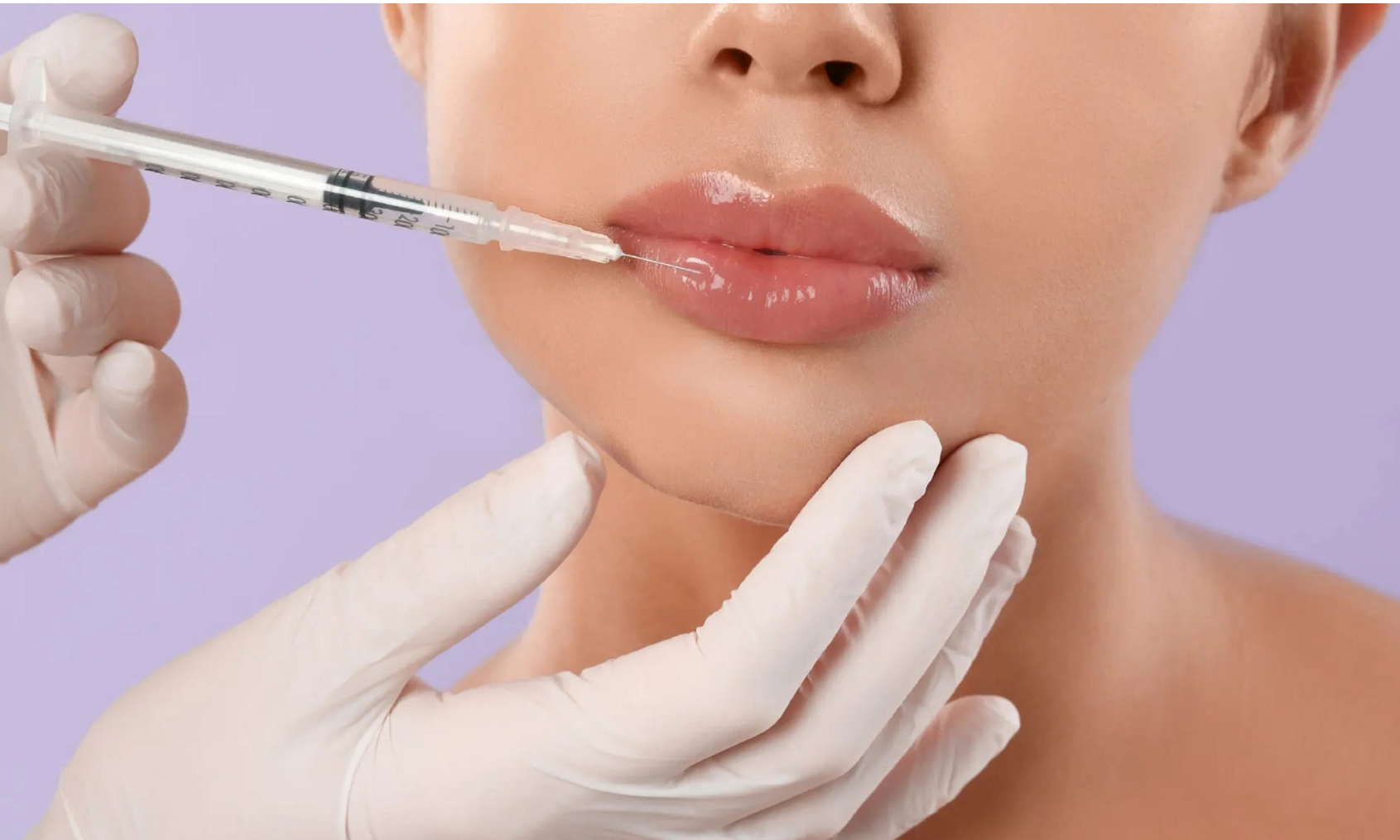
Filler applications
Filler treatments are medical aesthetic procedures used to balance volume loss that occurs over time in facial and body tissues, define facial contours, and support skin quality. These treatments aim to achieve a more balanced and rested appearance by filling the voids created by the decline in collagen and elastin structure that occurs with the aging process.
Fillers are applied in a controlled manner to points appropriate to facial anatomy and need. The goal is not to transform the face, but to gently balance age-related changes while preserving the person’s natural facial proportions. When done with proper planning, filler applications add freshness and vitality without distorting facial expression.
What are fillers?
The most commonly used substances in filler applications are compatible with the body and have content that can be absorbed over time. Among these, the most commonly used type of filler is hyaluronic acid-based fillers.
Hyaluronic acid is a molecule found naturally in the skin with a high water retention capacity. Thanks to this property, it provides both volume increase and supports the moisture balance of the skin tissue in the area where the filler is applied. The density and structure of the filler material are specifically selected according to the area where it will be applied.
Where are fillers applied?
Filler applications can be used to support aesthetic balance in many different areas of the face. The most common application areas are:
- Cheekbones
- Nasolabial folds (nose-lip line)
- Lips
- Chin and jawline
- Temples
Each area requires a different technique and filler composition. Therefore, the overall proportions of the face are evaluated holistically before application.
The purpose of filler applications and a natural appearance
The primary purpose of filler applications is to give the face a younger, more rested, and balanced appearance. Avoiding excessive volume and staying within the face’s own anatomical boundaries is the key to natural results.
Supporting the facial contours with soft transitions provides aesthetic improvement without changing the person’s expression. Correctly applied filler creates a noticeable but indescribable feeling of freshness.
How does the filler application process proceed?
Before the filler application, the facial structure and skin quality are analyzed in detail.
The amount of filler to be applied to which areas is determined according to the individual’s needs.
The application is usually completed in a short time. The procedure, performed using fine needles or cannulas, is carried out in a controlled and layered manner. After the application, the individual can often continue their daily life without interruption.
Duration of effect of filler applications
The effect of filler materials is temporary and is absorbed by the body over time. The duration of effect may vary depending on the type of filler used, the application area, and the individual’s metabolic structure.
Regular applications can help balance volume loss and maintain facial contours. This process progresses in harmony with the natural aging rhythm of the face.
Safety and planning in filler applications
Filler applications are medical procedures that require detailed knowledge of facial anatomy and technical expertise. Applications performed in areas close to blood vessels and nerves require careful planning.
With the right technique and appropriate filler selection, it is possible to maintain facial balance and achieve a natural appearance. Therefore, fillers require a scientific approach as much as an aesthetic one.
Fillers and their effect on the aging process
Filler applications do not aim to completely stop the aging process. However, by balancing the volume loss that occurs over time, they contribute to the face maintaining a healthy and vibrant appearance for a longer period.
Supporting soft tissues can slow down the deepening of wrinkles on the skin. In this respect, filler applications provide aesthetic support that is compatible with the aging process.
Post-filler period and follow-up
Mild redness or swelling may occur after the application; this usually subsides on its own within a short time. The filler gradually integrates with the tissues over time.
The follow-up process is important for evaluating the achieved result and maintaining facial balance. This process contributes to the natural and harmonious continuation of the filler application.