

Botox applications
Botox treatments are medical aesthetic procedures that aim to soften lines caused by excessive and repetitive movements of the facial muscles and give the face a more rested appearance. Botulinum toxin is applied in controlled, low doses to specific muscle groups, temporarily reducing muscle contraction; this softens the appearance of wrinkles on the skin’s surface.
This application offers a non-surgical approach to the signs of aging, while preserving the natural balance of facial expressions. When performed with proper planning and anatomical knowledge, Botox achieves elegant results that preserve the character of the face without creating a frozen expression.
What are the purposes of Botox?
Botox is a versatile treatment method that can be used not only for aesthetic concerns but also for functional and therapeutic purposes. The most common areas of use in the face include:
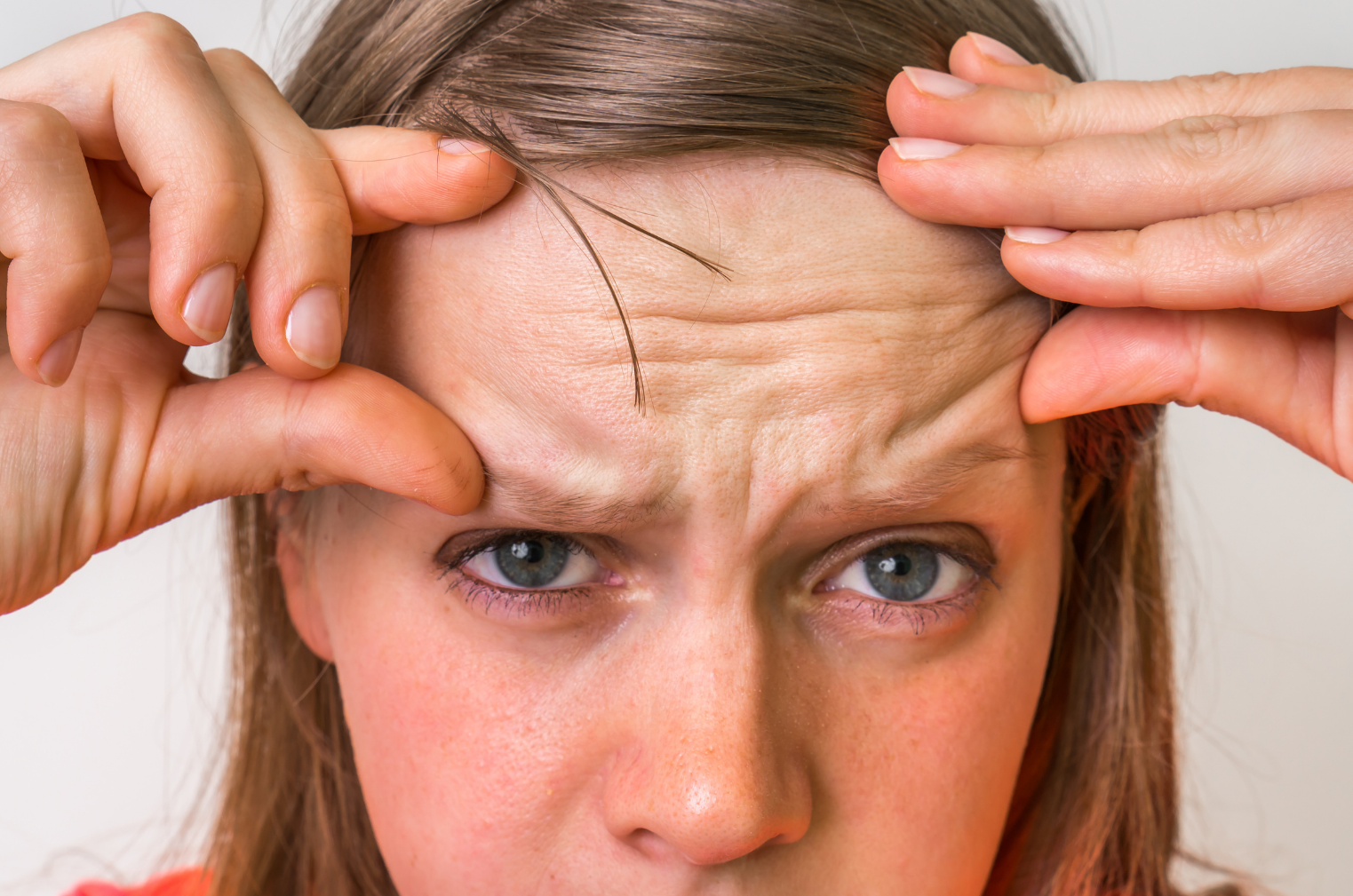
- Forehead lines
- Glabellar lines
- Eye wrinkles (crow’s feet)
Botox applications in these areas help achieve a more youthful and relaxed appearance by softening facial expressions.
In addition, Botox can be used to treat teeth grinding (bruxism), excessive sweating (hyperhidrosis), migraines, and certain muscle spasms. In this respect, Botox offers a modern application that combines aesthetic and functional improvement.
How does the Botox application process work?
Before the Botox procedure, the facial anatomy is thoroughly evaluated and the pattern of facial muscle movement is analyzed. Since each face has a unique muscle structure and facial expression habits, the procedure is customized for each individual.
The procedure is usually completed in a short time and in most cases does not restrict a return to daily life. Botox, applied to the target muscles with fine-tipped injections, creates a controlled effect without spreading to surrounding tissues. The effect appears within a few days after the application and becomes more pronounced over time.
Duration of Botox effect and natural appearance
The effect of Botox is temporary and usually lasts for several months. This duration may vary depending on the individual’s muscle structure, facial expressions, and the dose administered.
The fundamental goal of a natural Botox application is not to render the face expressionless, but to soften a tired and stiff appearance by balancing excessive muscle activity. When this balance is achieved, the face retains both a dynamic and natural appearance.
Safety and proper planning in Botox applications
Botox is a safe procedure when administered with the correct technique and in appropriate doses. However, mastery of facial anatomy and thorough analysis of muscle functions are of great importance.
Applications made to the wrong points or in excessive doses can lead to imbalances in facial expression. Therefore, Botox should be considered not only an aesthetic procedure but also a medical application requiring knowledge of anatomy, balance, and proportion.
Botox and its effect on the aging process
Botox treatments can reduce the appearance of existing wrinkles and slow down the formation of new lines. Controlled movement of the facial muscles contributes to less creasing of the skin over time and prevents the formation of deep lines.
In this way, Botox offers a protective approach against the aging process and, with regular follow-ups, can help the face remain vibrant and balanced for longer.
Post-Botox period and follow-up
There is generally no special recovery period required after the application. Patients can return to their daily lives within a short time.
Follow-up is important for evaluating the results achieved and making minor adjustments when necessary. This process ensures that the Botox application has the most suitable and balanced effect for the individual.