


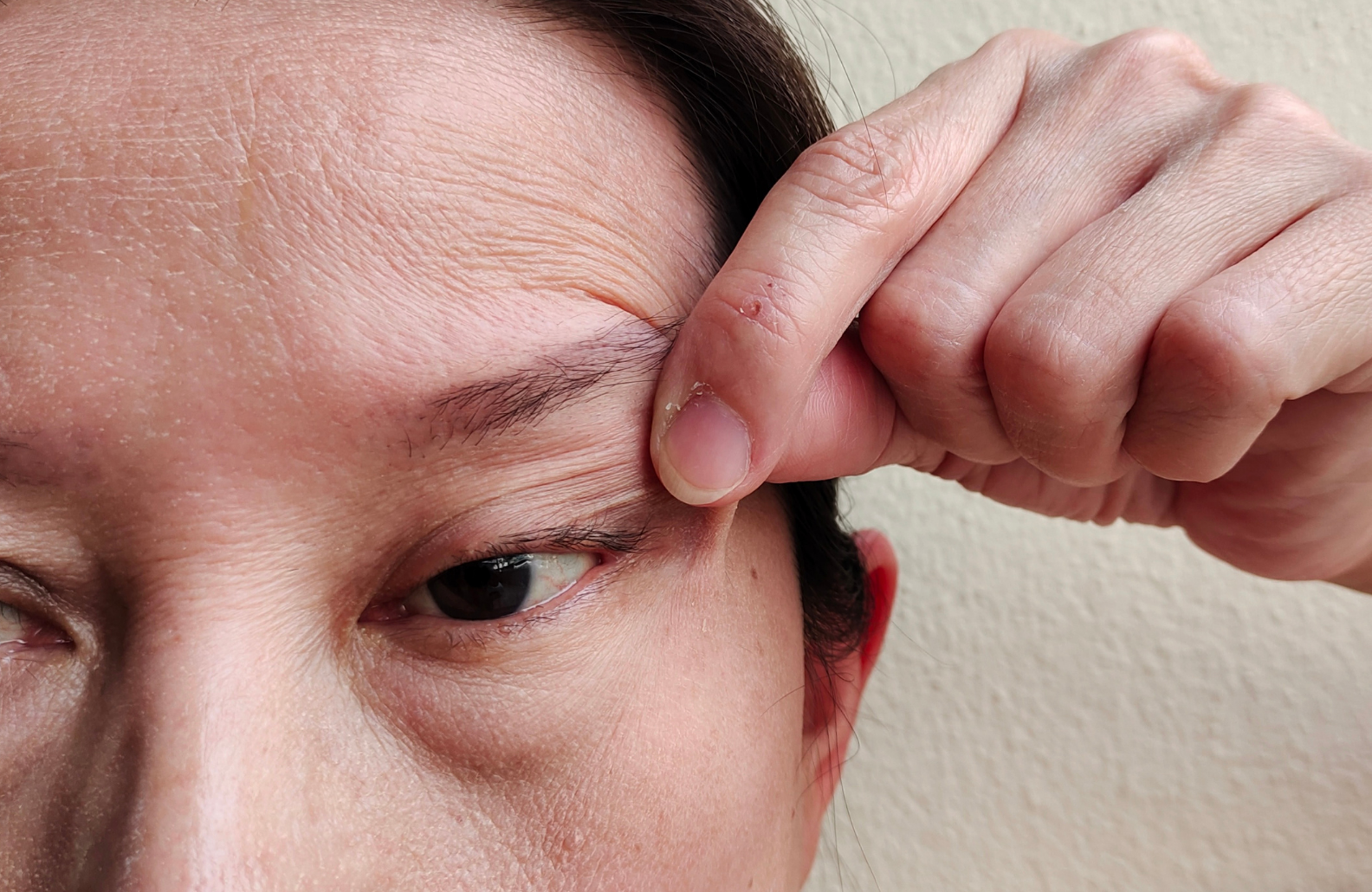
Lower Eyelid Aesthetics (Lower Blepharoplasty)
Lower eyelid aesthetics, medically known as lower blepharoplasty, is a plastic surgery procedure performed to remove bags, excess skin and wrinkles under the eyes. Over time, the skin may lose its elasticity, under-eye fat tissue may come to the fore, creating bagging and a tired appearance. This can make the person look older, tired and exhausted. With lower eyelid aesthetics, a younger, vibrant and rested look is achieved.
Who are suitable candidates for lower eyelid aesthetics?
People with prominent under-eye bags, excess skin or wrinkles are suitable candidates for this surgery. Especially due to genetic factors, bags under the eyes can be seen even at a young age. With advancing age, this condition becomes more prominent and may cause psychological discomfort as well as aesthetic concerns. Lower eyelid aesthetics is not only addressed to the advanced age group, but can also be applied to young patients to remove bagging and dark circles under the eyes.
Unlike the upper eyelid, the anatomy of the lower eyelid should be handled together with the midface, as it forms an important component of the midface. After a detailed analysis of the patient’s midface and lower eyelid by the doctor, it should be revealed whether the main problem is only lower eyelid wrinkles and fat bags or whether there is a disorder in other structures such as the midface. As volume loss and sagging may occur in the midface due to the effects of aging, the midface of some people is structurally underdeveloped or developed in a different direction. Since all of these changes can affect the defects in the lower eyelid differently, it is important to analyze the mid-face area in detail before the operation.
How is lower eyelid surgery performed?
Although different techniques have been defined, basically, during surgery, excess skin on the lower eyelid is removed, fat tissue is reshaped or, if necessary, distributed to the under-eye hollow to provide a more balanced appearance. Thus, both bagging is reduced and the appearance of the hollow under the eye is softened.
Incisions are usually made at the base of the eyelashes or on the inside of the eyelid. In this way, surgical scars are not noticeable when viewed from the outside. The operation takes 1-2 hours on average and discharge is usually possible on the same day. The location of the incision, shaping of the fatty tissues and interventions for the midface are completely determined according to the patient’s needs. Often, the addition of mid-face lift surgery during lower blepharoplasty provides more natural and holistic rejuvenation and contributes to the reduction of postoperative complications.
Recovery after lower eyelid aesthetics
Mild swelling and bruises that occur in the first days after the operation decrease in a short time and disappear within 1 week-10 days. Regular cold application in the early postoperative period and compliance with the doctor’s recommendations will help speed up the process. During the healing process, it is important to avoid tiring the eyes and to use regular drops and recommended creams. Surgical scars, which are more pink and noticeable at first, fade and lose their visibility over time as they remain at the base of the eyelashes. In addition, patients should correctly apply the massage techniques recommended by the doctor to prevent the lower eyelid from pulling downwards, which is defined as scleral show and/or ectropion after surgery.
Permanence after lower eyelid aesthetics
Although lower eyelid aesthetics is a long-term permanent procedure, sagging of the eyelid may occur again in the following years as the natural aging process continues. Healthy living habits, regular sleep, avoiding smoking and alcohol use after surgery will increase the permanence of the results.
Revision lower blepharoplasty
Revision lower blepharoplasty is a correction surgery performed in people who have previously undergone lower blepharoplasty when there is a need for lower eyelid aesthetic intervention again. The need for revision may arise due to asymmetries after the first surgery, excess skin removal or failure to provide adequate correction. In addition, sagging of the eyelid again due to the effect of aging is among the more likely reasons. This procedure is applied both to eliminate aesthetic concerns and to improve the function of the eyelid. In addition, detailed analysis of the mid-face structure becomes more important in patients who apply with the need for lower eyelid surgery again.
Lower eyelid retraction, defined as scleral show and/or ectropion, is one of the complications that increase the need for revision after lower blepharoplasty. This condition, which is generally likely to be encountered in the early stages of wound healing after surgery, can be eliminated with regular massage exercises recommended by the doctor if it is moderate and moderate. In the case of more advanced ectropion, revision surgery is needed to preserve the functionality of the patient’s eye. It should be known that sometimes surgeries such as canthoplasty or canthopexy may also be needed to remedy this situation.
Which surgeries are combined with lower eyelid aesthetics?
Although lower eyelid aesthetics often gives effective results alone, it can be combined with other aesthetic operations for a more comprehensive rejuvenation. The most commonly combined procedure is upper eyelid aesthetics, where both upper and lower eyelids are repaired in the same session, providing a more holistic rejuvenation around the eyes. In addition, mid-face lift surgery is one of the operations frequently performed in the same session with lower eyelid aesthetics.
In addition, in some patients, when combined with temporal lift such as temporal lift, the result becomes much more pronounced. Performing more than one surgery in a single session may be preferred because it concentrates the patient’s healing process in a single period. However, each combined operation should be planned individually and the general health status and needs should be carefully evaluated by the surgeon.